
Leading the Charge in Safeguarding Communities
When seconds matter, GeoComm is dedicated to saving lives and protecting property through precise location data. Since our founding in 1995, we’ve grown to serve communities nationwide, ensuring the safety of over 100 million people. Our innovative solutions like GIS Data Management and Indoor Maps set industry standards across public safety, school safety, and beyond.


TJ Kennedy President & CEO
Values that Motivate Us
- Customer Commitment We Put Customers First
- Continuous Improvement & Innovation We Innovate for Impact
- Prioritized Urgency We Act with Purpose
- One Team We Win Together
- Empowered Accountability We Own the Outcome

Trusted by Industry Leaders







Driven by Vision.
Guided by Experience.
Meet our leadership team, boasting over 150 years of combined experience in public safety and GIS innovation.

Jody Sayre
Jody
Sayre
VP Bus. Dev. & Strat. Alliances

TJ Kennedy
TJ
Kennedy
Chief Executive Officer
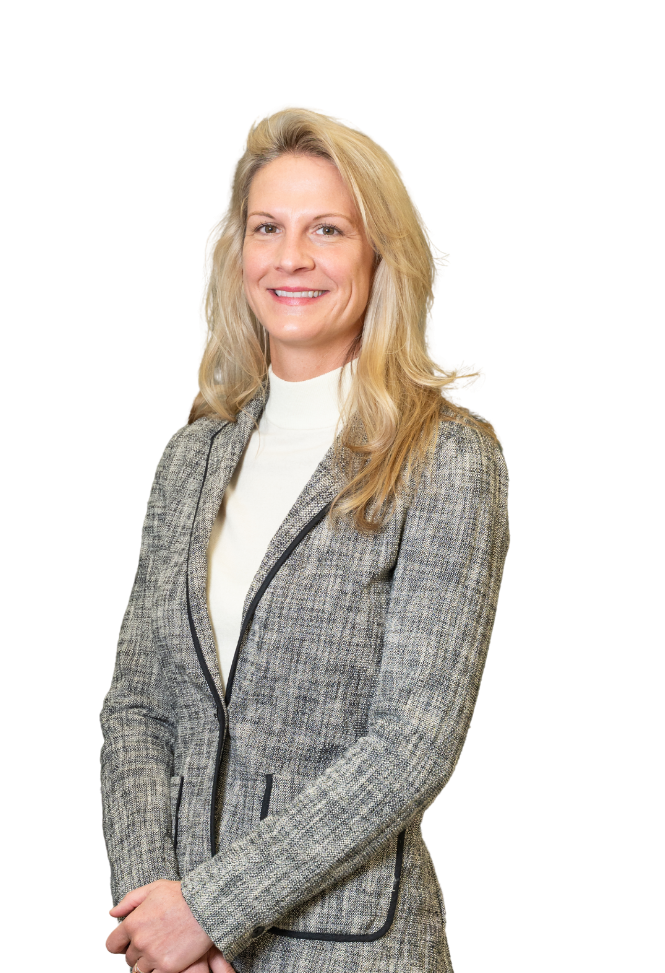
Rose Bentley
Rose
Bentley
Chief Operating Officer

John Brosowsky
John
Brosowsky
SVP Innovation

Ryan Thomas
Ryan
Thomas
VP Engineering & Technology
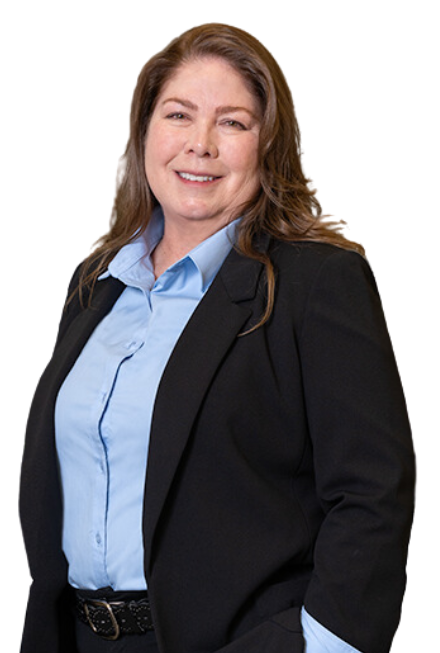
Lisa Henderson
Lisa
Henderson
VP Public Safety, GIS Services

Brian Jacobson
Brian
Jacobson
Chief Financial Officer

Bill McCullough
Bill
McCullough
VP Sales & Marketing
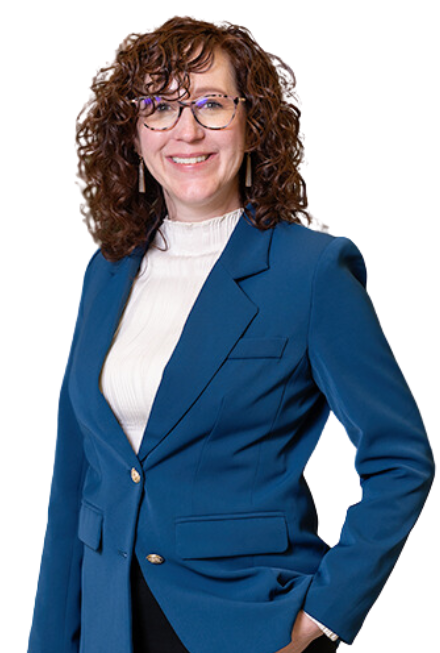
Amanda Romaine
Amanda
Romaine
Chief of Staff
Cutting-Edge GIS Technologies with Our Partner Network
- Integrated Data Collaborate with top GIS and mapping data providers to ensure comprehensive coverage and accuracy.
- Advanced Applications Leverage the latest in public safety technology through our partnerships with leading solution providers.

See what GeoComm can do
Discover the impact of GeoComm’s solutions on your community.
Help us Write the Next Chapter.
Explore career opportunities at GeoComm and become part of a team dedicated to pushing boundaries, innovating and making a positive impact across communities.
- Remote Work
- Work-Life Balance
- Employee Wellbeing
- Financial Stability

Resources
Best School Safety Mapping Solutions: What to Compare in 2026
Choosing the right school safety mapping solution means looking beyond the map itself. The best solutions provide accurate, responder ready information that helps schools, universities, 9-1-1 centers, and emergency responders understand a location, share critical details, and coordinate during an incident. For school districts evaluating critical incident mapping companies in 2026, the most important considerations…

The Next Generation of DFR Will Be About Decision Intelligence
By Tracy “Mac” McElvaney, Chief Product & Innovation Officer, GeoComm Drone as First Responder has already changed how many public safety agencies think about unmanned aircraft. The ability to launch a drone before a responder arrives on scene can provide valuable situational awareness, help clarify what is happening, and give field personnel additional context before…
How Caller Location Guides NG9-1-1 Call Routing
When someone calls 9-1-1, getting the call to the right Emergency Communications Center (ECC) or Public Safety Answering Point (PSAP) is one of the first critical steps in the emergency response process. In a Next Generation 9-1-1 (NG9-1-1) environment, that decision increasingly depends on one essential piece of information: the caller’s location. Unlike legacy 9-1-1…
